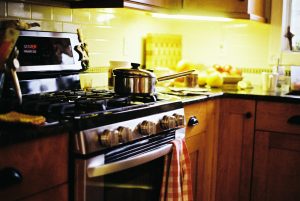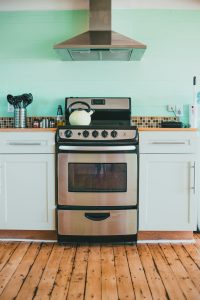
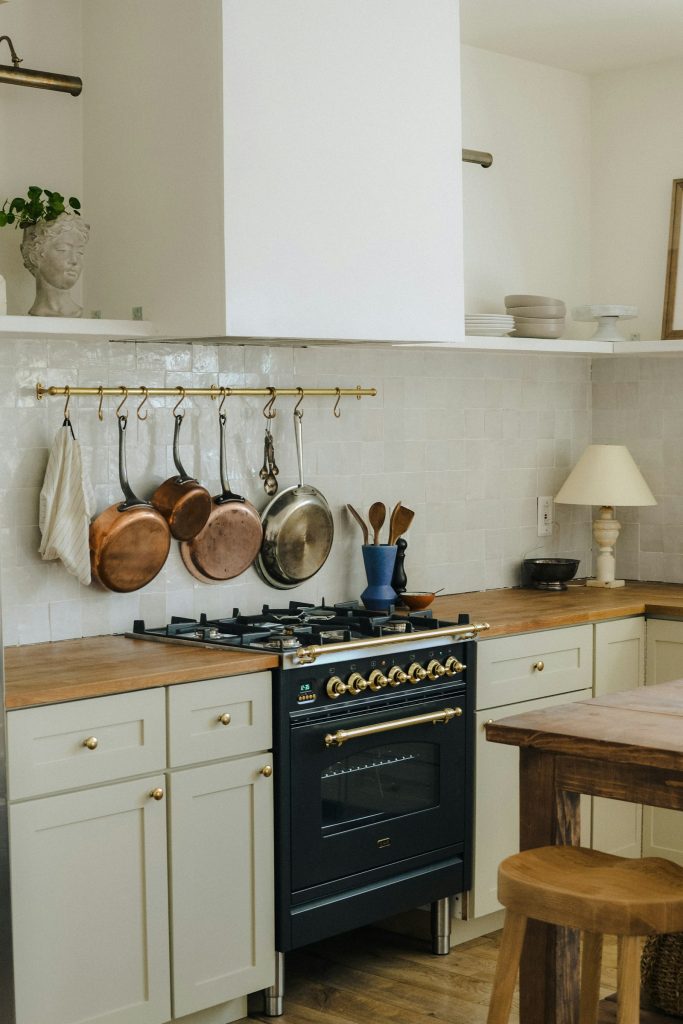
Good ge range maintenance keeps both gas and electric ranges performing reliably, and the routine differs slightly depending on which type you own, but a handful of habits apply across the entire lineup, from a basic GE range to a GE Profile model with additional cooktop features.
Cleaning burner ports and caps (gas ranges)
- Remove burner caps and grates periodically and wash them in warm soapy water
- Clear visible burner ports with a soft brush or a needle-sized wire, taking care not to widen the holes
- Dry everything fully before reassembling, since trapped moisture is a common cause of an igniter that clicks without lighting – see our guide on a GE gas range igniter that won’t light if this has come up
Cleaning grates and drip pans
Grates and, on coil-top electric ranges, drip pans or reflector bowls collect spilled food and grease that can bake on with repeated use. Wiping them down regularly, rather than waiting for a heavy buildup, keeps cleaning quick and prevents buildup from affecting how evenly a burner or element heats.
Using the self-clean cycle correctly
- Remove grates, burner caps, and any cookware from the oven before starting a self-clean cycle
- Ventilate the kitchen, since self-clean cycles produce noticeable heat and some odor as residue burns off
- Avoid running self-clean back-to-back or excessively often on older ranges, since the high heat involved can stress door seals and gaskets over time
- Wipe out any remaining ash once the cycle completes and the range has cooled
Element and receptacle care (electric ranges)
On electric ranges with plug-in coil elements, keeping the receptacle contacts free of spilled food and grease reduces the pitting and scorching that eventually causes a GE electric range element to stop heating. A quick wipe of the receptacle area whenever you clean drip pans is enough to keep this from becoming a problem.
Seasonal deeper checks
- Check that all grates sit level and do not wobble, which can affect pot stability
- Inspect the oven door gasket for gaps or tears that let heat escape during baking
- Confirm burner flames on a gas range burn blue and even rather than yellow or uneven, which can indicate a port needing cleaning
Oven interior and vent care
Beyond the cooktop, a full ge range maintenance routine includes wiping up spills inside the oven before they bake on, since they can smoke during later use and are far harder to remove once a self-clean cycle has carbonized them further. Keep the oven vent, usually located near the back of the cooktop or under a rear control panel, free of grease buildup as well, since a blocked vent can affect how evenly the oven cooks.
Building a seasonal habit
Tying ge range maintenance to a season rather than a fixed date tends to work better in practice, since cooking frequency and the resulting buildup vary a lot between a light-use summer and a heavier holiday-cooking stretch. A quick burner and grate check at the start of each season, with lighter touch-ups in between, keeps a range performing consistently without turning maintenance into a chore.
When to call a technician
If routine ge range maintenance does not resolve uneven heating, a burner that will not light consistently, or a persistent gas smell, stop using that burner and call for service rather than continuing to troubleshoot around it. Our range repair technicians can inspect burners, igniters, and elements safely.
Quick summary
Keeping burner ports, grates, and drip pans clean, using the self-clean cycle sensibly, and checking the door gasket periodically covers the vast majority of what a GE range needs to keep performing reliably, and each task takes only a few minutes once it becomes a routine habit.
For anything beyond routine care, our experienced, independent technicians service GE, GE Profile, Café, and Hotpoint ranges. Schedule service at /schedule/. General product information is available at geappliances.com.