
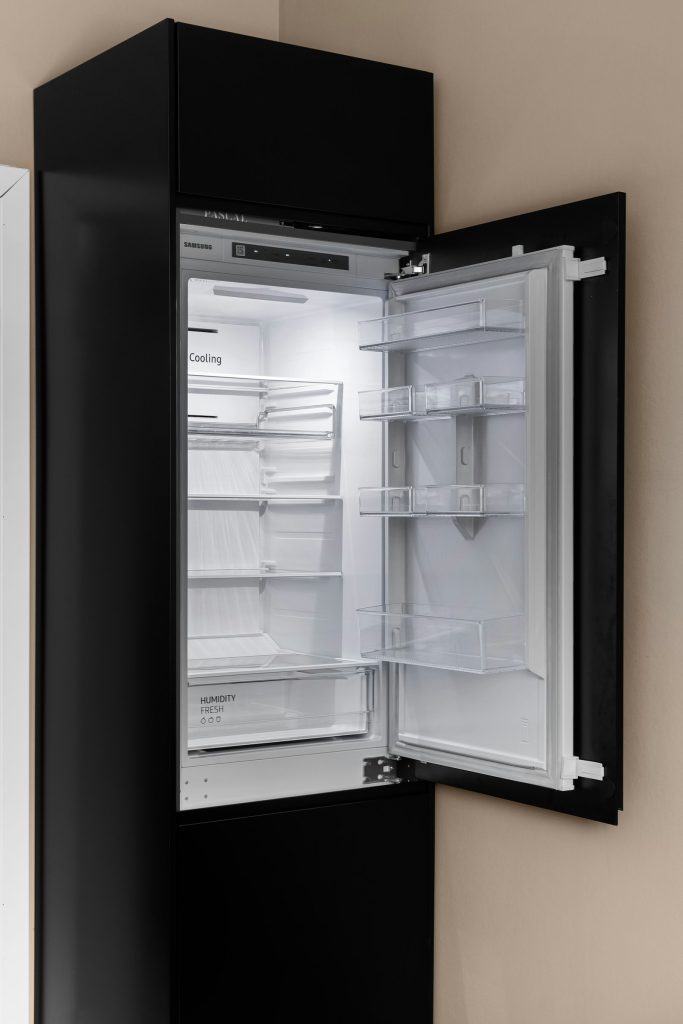
At some point nearly every GE owner faces the repair or replace ge appliance question, usually right after a second thing breaks or a first repair estimate lands. There is no single formula that fits every situation, but there is a practical framework that holds up across refrigerators, dishwashers, washers, dryers, and ranges alike.
Step one: know the actual age, not a guess
Before weighing anything else, confirm how old the appliance actually is using its serial number rather than a rough memory of when it was purchased. Our GE serial number decode guide walks through pulling an exact build month and year, and that number anchors every other part of this decision.
Step two: compare against typical lifespan
Once you know the age, compare it against industry-average lifespans by category – see our GE appliance lifespan guide for the full breakdown. A refrigerator at year six sits well inside its expected range and is usually worth repairing. The same refrigerator at year seventeen is past most averages, which shifts the calculation even if the current problem is minor.
Step three: look at failure history, not just the current problem
A single, isolated problem – a drain pump, a door switch, a temperature sensor – is a strong case for repair almost regardless of age, because it is a discrete, well-understood fix. A unit that has already had two or three unrelated repairs in the past couple of years tells a different story: it suggests the appliance as a whole is entering a failure-prone stretch, and fixing the current issue may just mean the next component fails a few months later.
Step three: weigh the cost factors, not a dollar figure
Rather than a number, think in terms of what actually drives repair cost:
- Whether the failing part itself is inexpensive and widely stocked, or specialized and harder to source
- How accessible the part is – a control board behind an easy access panel costs less labor time than one requiring a full teardown
- Whether diagnosis is quick and confirmed on the first visit, or requires a return visit after parts arrive
- Whether the fix addresses the whole problem or is likely to be followed by a related failure soon after
When repair almost always wins
Repair is the clear call when the unit is inside its typical lifespan window, the problem is a single well-defined component, and parts are readily available. This describes the large majority of service calls we run.
When replacement starts to make more sense
Replacement becomes the stronger option when the unit is well past its typical lifespan, has a pattern of unrelated failures, or the failing component is a major structural or sealed-system part that is both expensive to source and difficult to access.
Getting a straight assessment
If you are stuck between the two options, an in-person diagnosis beats guessing from a description over the phone. Our experienced, independent technicians can look at the specific problem, confirm the part situation, and give you a straight recommendation rather than defaulting to the more expensive option. Schedule a visit at /schedule/, or check general product specs at geappliances.com if you are comparing against a new model.
A worked example
Picture a nine-year-old dishwasher with a persistent drain alert and no prior repair history. Against the averages, it is roughly in the middle of its typical lifespan, the problem is a single well-understood component, and the part is common – this is a clear repair or replace ge appliance case that favors repair. Now picture the same nine-year-old dishwasher on its third unrelated repair in two years. The age has not changed, but the failure pattern has, and that shifts the repair or replace ge appliance calculus toward replacement even though nine years is not unusually old for the category. The age number alone never tells the whole story – it is one input among several.
Quick summary
The repair or replace ge appliance decision comes down to three questions: how old is it really, is this an isolated problem or a pattern, and how accessible is the part – answer those honestly and the right call is usually clear.