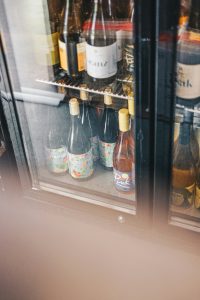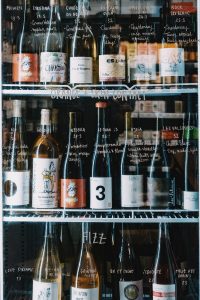
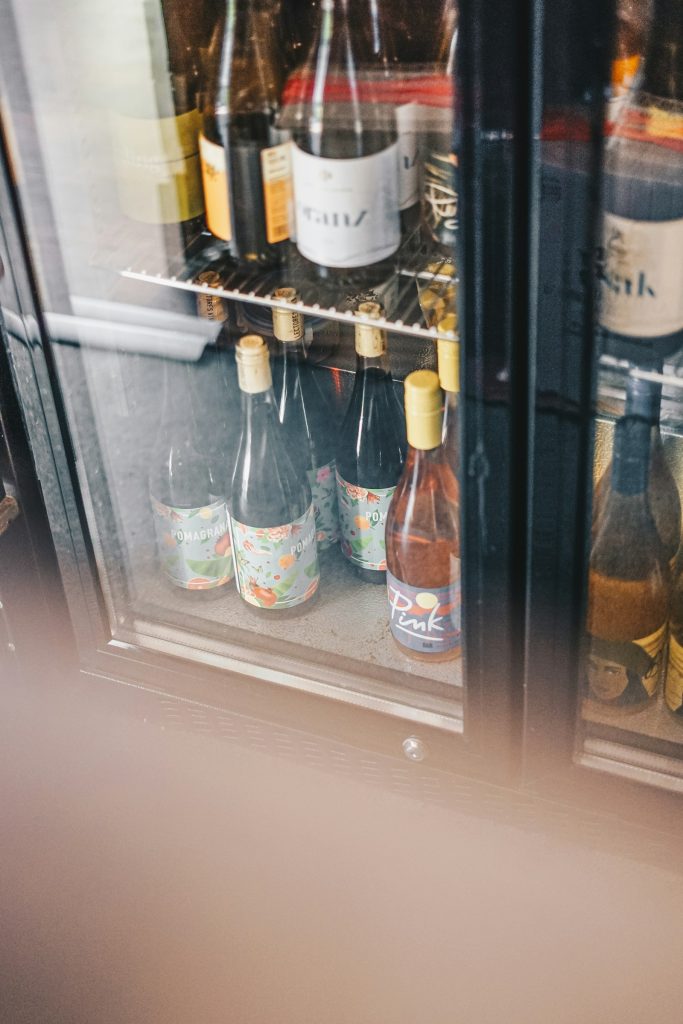
Wine coolers do not have an official published average lifespan the way freezers or microwaves do, but with reasonable ge wine cooler maintenance, most units run reliably for many years of service. The maintenance itself is simple and mostly about airflow, sealing, and periodic temperature checks.
Condenser Coil Cleaning
Locate the condenser coil, typically at the back or bottom of the unit, and vacuum away dust buildup every few months. Wine coolers often run smaller, lower-powered compressors than full refrigerators, which makes them more sensitive to reduced heat-exchange efficiency from a dusty coil.
Door Seal Care
Wipe the door gasket clean of dust and any residue, and check periodically that it still grips firmly around the entire door frame. On glass-door models especially, a compromised seal both hurts cooling performance and can contribute to interior condensation.
Temperature Calibration Checks
Since there is no error code to alert you to drift, it is worth occasionally verifying actual cabinet temperature with an independent thermometer placed inside for a few hours, compared against the unit’s displayed setting. A meaningful, consistent gap between displayed and actual temperature suggests a sensor calibration issue worth having checked, rather than something to adjust blindly via the control panel.
Dual-Zone Balance
On dual-zone units, periodically confirm both zones are holding their respective set points independently. A gradual imbalance between zones — one drifting warmer over time while the other stays accurate — is often an early sign of a zone-specific fan or damper issue worth addressing before it becomes a full failure.
Humidity and Odor Management
Keep the interior clean and avoid storing strong-smelling items alongside wine, since some wine cooler designs use shared or recirculated air. Light interior cleaning with a mild, non-abrasive solution helps prevent odor buildup without affecting temperature-sensing components.
Ventilation Clearance
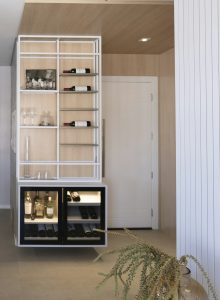
For built-in installations, confirm the surrounding cabinetry has not been altered in a way that blocks the ventilation clearance specified for the unit — this is one of the most common causes of gradually worsening cooling performance over time in built-in units.
Seasonal Adjustments Worth Considering
Ambient room temperature swings between seasons can affect how hard a wine cooler has to work even when nothing inside the unit has changed. If a wine cooler sits somewhere without climate control, such as a converted garage space, it is worth periodically re-checking that it is still holding its target temperature accurately as outdoor conditions shift through the year rather than assuming a single check in spring covers every season. A unit that performs perfectly in a temperate spring can struggle noticeably once summer heat raises the surrounding room temperature well beyond what it was designed to fight against continuously. If you notice cooling performance changing noticeably with the seasons rather than staying consistent, that pattern itself is a useful clue about whether the issue lies with the unit or with its surrounding environment. Building this kind of seasonal awareness into your ge wine cooler maintenance habits pays off over the life of the unit.
Keeping a Simple Care Log
As with larger appliances, a short running note of when you last cleaned the condenser coil, checked the door seal, and verified temperature accuracy makes ge wine cooler maintenance far easier to stay consistent with over the years. Without some kind of record, it is easy to genuinely lose track of whether a task was done three months ago or closer to a year ago, and that gap is usually where small problems have room to develop unnoticed. A simple phone note with a date and a one-line task description is more than enough — the goal is consistency, not detailed record-keeping.
When to Call a Technician
If regular maintenance does not resolve a temperature discrepancy, unusual noise, or condensation issues, an experienced technician can test the compressor, fan, and sensors directly. Book at /services/wine-cooler-repair/.
Summary
Because there is no code system to lean on, consistent ge wine cooler maintenance — clean coils, a healthy door seal, and periodic temperature verification — is the most reliable way to catch problems early. See our wine cooler not cooling guide for troubleshooting, and /appliances/wine-coolers/ for appliance overview. Book at /schedule/; product reference at geappliances.com.