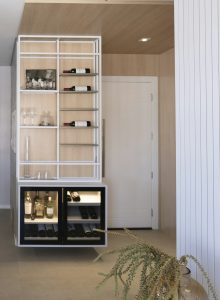
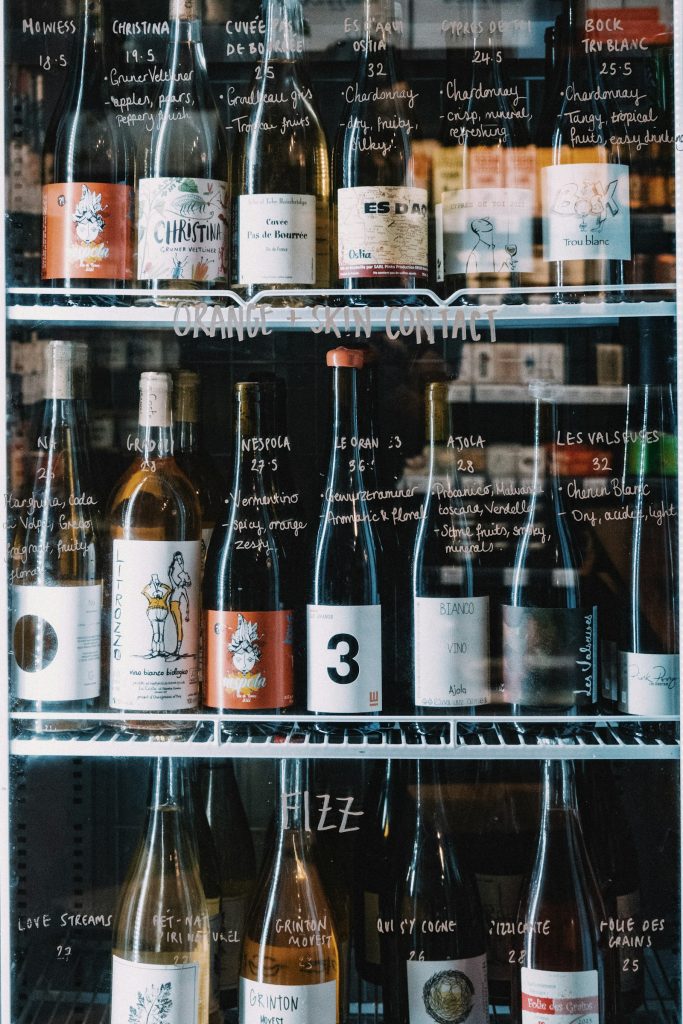
Choosing between dual-zone and single-zone models is the central decision in almost any ge wine cooler buying guide, and it comes down to how you actually drink wine rather than which unit sounds more impressive. Both formats are reliable long-term when maintained properly — the right choice depends on your collection, not on features alone.
Single-Zone Coolers: Simplicity and Consistency
Any thorough ge wine cooler buying guide has to start with this fork in the road. A single-zone unit holds one temperature throughout the cabinet, which suits people who primarily store one type of wine — mostly reds, or mostly whites, or wine intended for medium-term aging at a single serving-adjacent temperature. Fewer components generally means fewer things that can go out of balance over time, and single-zone units are typically simpler to install and place.
Dual-Zone Coolers: Flexibility for Mixed Collections
Dual-zone models divide the cabinet into two independently controlled sections, letting you store reds warmer and whites or sparkling wines colder in the same appliance. This suits households that regularly drink a mix of wine types and do not want two separate units. The tradeoff is more internal components — a second fan, damper, or sensor set — which is worth knowing since dual-zone imbalance is a real symptom worth watching for, as covered in our maintenance guide.
Capacity and Bottle Count
Think about capacity in terms of your realistic ongoing storage, not your largest ever collection moment. A unit that runs consistently near full capacity works harder and has less airflow margin than one with some breathing room, which matters over years of continuous operation.
Built-In vs. Freestanding
Built-in models are designed for front-venting installation under a counter and require the cabinetry to provide correct clearance; freestanding units vent from the back or sides and need open space around them. Mixing these up — installing a freestanding unit in a fully enclosed cabinet space — is a common source of long-term cooling problems, so confirm which type you are buying before finalizing cabinetry plans.
Glass Door and UV Considerations
Most wine coolers use tinted or UV-filtering glass doors to protect wine from light exposure during long-term storage. If the unit will sit somewhere with significant direct sunlight, this is worth prioritizing over purely aesthetic glass options.
Longevity Expectations
There is no strongly established published industry-average lifespan figure specific to wine coolers, but with the basic maintenance covered in our maintenance guide, a well-placed and properly ventilated unit can provide many years of dependable service.
Thinking About Total Cost of Ownership
The purchase decision is only the first cost; ongoing maintenance habits and the environment the unit lives in affect how much service it needs over its life. A dual-zone unit installed with correct clearance and cleaned regularly will generally outlast a comparable unit crammed into a poorly ventilated cabinet, regardless of which model name is on the door — the buying decision and the installation decision really need to be made together rather than separately. Asking a technician or installer about ventilation clearance before finalizing a purchase, rather than discovering a mismatch after delivery, avoids a frustrating and entirely avoidable installation problem. Working through those questions is really the heart of any useful ge wine cooler buying guide.
When to Ask a Technician for Advice
If you are replacing an existing built-in unit or unsure whether your cabinetry supports a given model’s ventilation needs, an experienced technician can advise before you purchase, not just after something goes wrong. Reach out through /services/wine-cooler-repair/.
Summary
This ge wine cooler buying guide comes down to matching zone configuration and installation type to your actual habits and space. Browse /appliances/wine-coolers/ for more, book a consultation at /schedule/, and see geappliances.com for current model specifications.