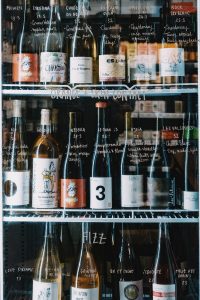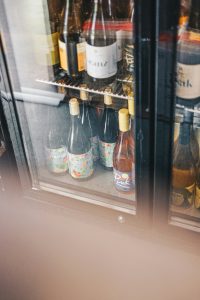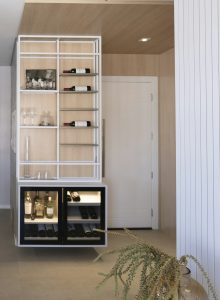
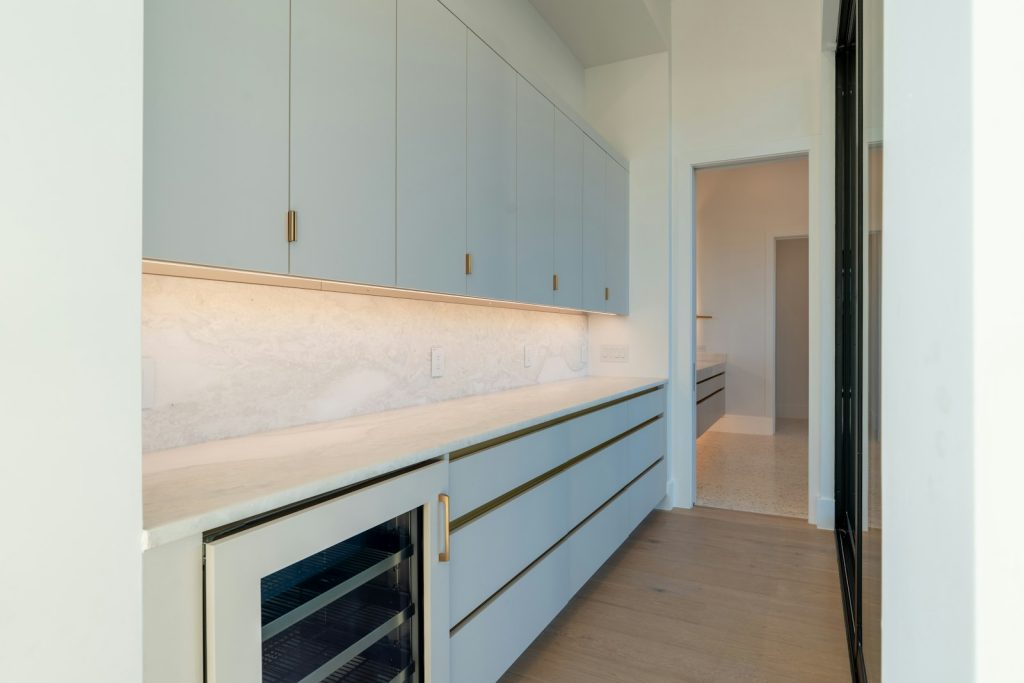
A ge wine cooler temperature swings problem is one of the more common complaints on GE and GE Profile wine and beverage coolers, and unlike a refrigerator or dishwasher, there is no published GE error-code system for wine coolers to point toward a specific cause. Diagnosis here is entirely symptom-based, which means working through a checklist of the physical factors most likely to cause temperature instability.
Step 1 – Check the door seal
A worn, warped, or improperly closing door gasket lets ambient room air continuously mix with the cooled interior, producing exactly the kind of swings owners describe – noticeably better performance right after the door has been closed for a while, and drift upward whenever the unit has been opened recently or sits in a warmer room.
Step 2 – Check the unit’s placement and ventilation
Wine coolers, especially built-in models, need proper ventilation clearance around the compressor and condenser area to dissipate heat effectively. A unit installed in an enclosed cabinet without the ventilation gap specified in its installation instructions will run its compressor harder and less efficiently, which can show up as inconsistent internal temperature, particularly during warmer months or in a room with limited airflow.
Step 3 – Check for dual-zone imbalance
On dual-zone GE wine coolers, temperature swings in one zone while the other stays stable often point toward that specific zone’s fan or sensor rather than a shared component, since each zone typically has its own independent cooling path within the same cabinet.
Step 4 – Check the internal circulation fan
A fan that has slowed, become obstructed by a stored bottle or label, or failed intermittently can prevent cooled air from distributing evenly throughout the cabinet, leading to noticeable differences between shelves even when the compressor itself is working correctly.
Step 5 – Check bottle load and spacing
An overpacked cooler restricts internal airflow in the same way an overpacked refrigerator does, and can produce genuine temperature variation between the front and back of the unit that has nothing to do with a failing component.
Step 6 – Rule out a compressor or refrigerant issue
Only once the seal, placement, dual-zone balance, fan, and bottle spacing have all been checked should a weakening compressor or a refrigerant leak become the leading suspect – and a persistent, one-directional drift toward warmer temperatures over weeks is a stronger signal of this than short-term swings.
Tracking ge wine cooler temperature swings with a log
Because a wine cooler is opened far less often than a refrigerator, a temperature swing can easily go unnoticed for days. Keeping a small notebook or phone log of the displayed temperature at the same time each day for a week or two turns a vague “it feels off” impression into a genuine pattern a technician can act on. Swings that correlate with a specific time of day – warmer readings every afternoon when direct sun hits that wall of the kitchen, for instance – point toward the unit’s placement and ambient heat load rather than a failing part. Swings with no obvious pattern at all, especially ones that grow more extreme over successive weeks, point more strongly toward a genuine fan, sensor, or compressor issue worth having tested directly.
A note on single-zone vs. dual-zone troubleshooting
On single-zone coolers, the entire cabinet shares one sensor and one cooling path, so any of the checklist steps above can explain the whole unit’s behavior; ge wine cooler temperature swings limited to just one shelf area on a single-zone unit usually point toward local airflow blockage from bottle placement rather than a sensor or compressor failure – dual-zone units call for checking each zone separately during any ge wine cooler temperature swings investigation.
When to call a technician
Our wine cooler repair technicians work through this exact checklist and can measure actual internal airflow and compressor cycling directly rather than guessing from symptoms alone.
Quick summary
Because no error-code system exists for GE wine coolers, working methodically through door seal, placement, dual-zone balance, and fan condition is the most reliable path to a diagnosis.
Our experienced, independent technicians – not affiliated with GE Appliances, a Haier company, or General Electric Company – diagnose wine coolers by symptom, without inventing error codes. Schedule service at /schedule/. General GE product information is at geappliances.com.