
Choosing between fuel types is the first real decision in any ge range buying guide, and it matters more than most shoppers expect, since the technology affects everything from cookware you already own to how the kitchen needs to be wired or plumbed. GE Appliances, engineered at Appliance Park in Louisville, Kentucky, sells all three range technologies across its GE, GE Profile, and Café lineups, along with Café’s upper-tier finishes and controls.
Gas ranges
Gas ranges heat with an open flame and give the most immediate, visual control over heat level, which many cooks who grew up on gas prefer. They require a gas line and typically an electrical connection for the igniter, clock, and oven controls. Cleaning a gas cooktop means lifting grates and burner caps, and gas ovens generally rely on a glow-bar igniter to light the burner for baking and broiling.
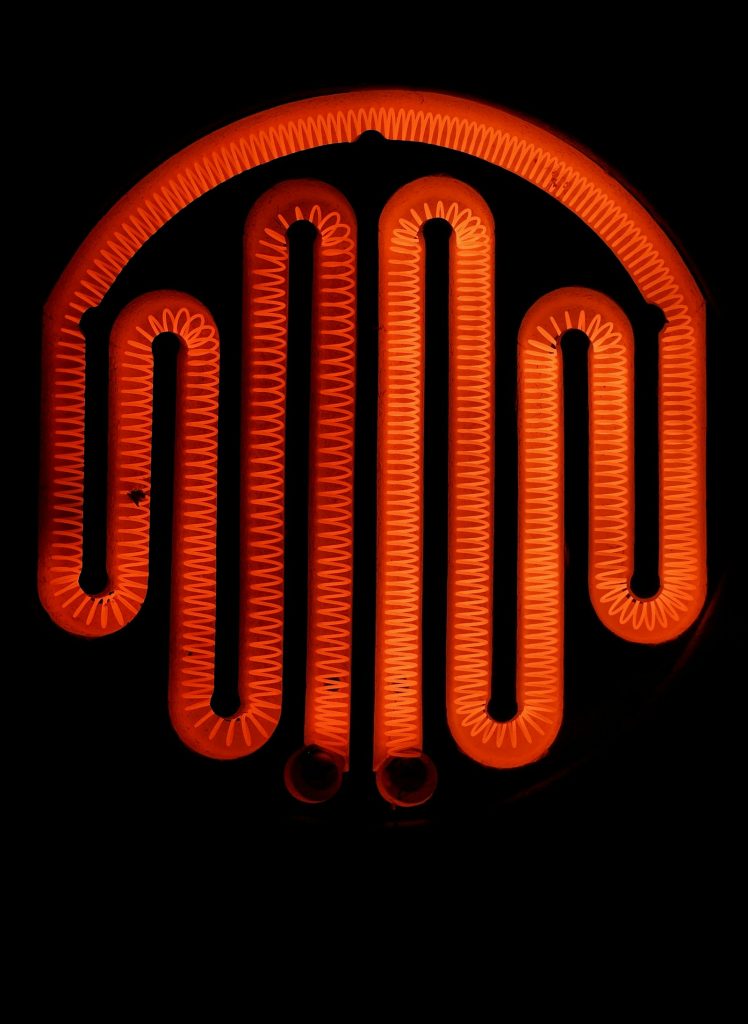
Electric coil and smooth-top ranges
Traditional coil ranges are the simplest and most affordable electric option, while smooth glass-top electric ranges use radiant elements under a ceramic glass surface for easier cleaning. Electric ranges heat more slowly than gas or induction to reach temperature but hold a steady temperature well once there, and they work with any flat-bottomed cookware, magnetic or not.
Induction ranges
Induction technology heats the pan directly through a magnetic field rather than heating the cooktop surface itself, which means faster heat-up, more precise control, and a cooler-to-the-touch surface around the pan. The catch is that induction requires magnetic cookware – cast iron and most stainless steel work, while aluminum, copper, and glass generally do not unless labeled induction-compatible. See our guide on GE induction range issues for what can go wrong on this platform specifically.
What to weigh before buying
- Whether your kitchen already has a gas line, or would need one installed
- How much of your existing cookware is magnetic, if you are considering induction
- How much time you spend cleaning around burners versus wiping a flat glass surface
- Whether you value visual flame control or prefer digital precision
Installation considerations
Switching fuel types when replacing an old range – say, moving from gas to electric or to induction – often requires an electrician or plumber to add or cap a line, since the existing hookup behind your old range may not match what the new one needs. It is worth confirming this before you buy rather than after delivery.
When to consult a professional before buying
If you are unsure what your kitchen can support without rewiring or replumbing, our range repair team can advise on hookup requirements during a service visit, and our range overview page covers GE’s current model lineup by tier.
Quick summary
There is no universally “best” choice among gas, electric, and induction – the right pick in this ge range buying guide depends on your existing cookware, kitchen hookups, and how hands-on you want your heat control to be, and any of the three can serve a household well for well over a decade with reasonable care.
Matching sub-brand tier to features
Beyond fuel type, this ge range buying guide would not be complete without a note on tier: mainstream GE models cover the core gas, electric, and induction lineup, GE Profile adds smart connectivity and higher-end finishes, and Café – GE’s premium tier, with the accented “é” – adds customizable hardware colors and additional cooking modes across all three fuel types. None of these tiers changes the fundamental fuel-type tradeoffs above; they simply add features and finish options on top of whichever technology best fits your kitchen and cooking habits, which is the central takeaway of any honest ge range buying guide.
Whichever fuel type you choose, our experienced, independent technicians service GE, GE Profile, and Café ranges across our area using OEM or high-quality replacement parts. Book installation help or future service at /schedule/. For current model specifications, visit geappliances.com.