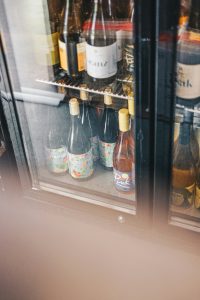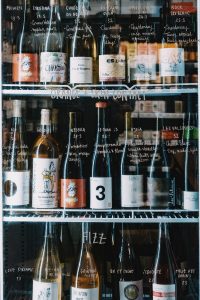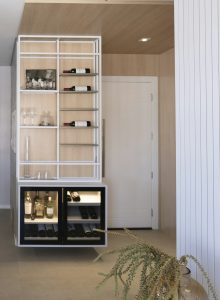
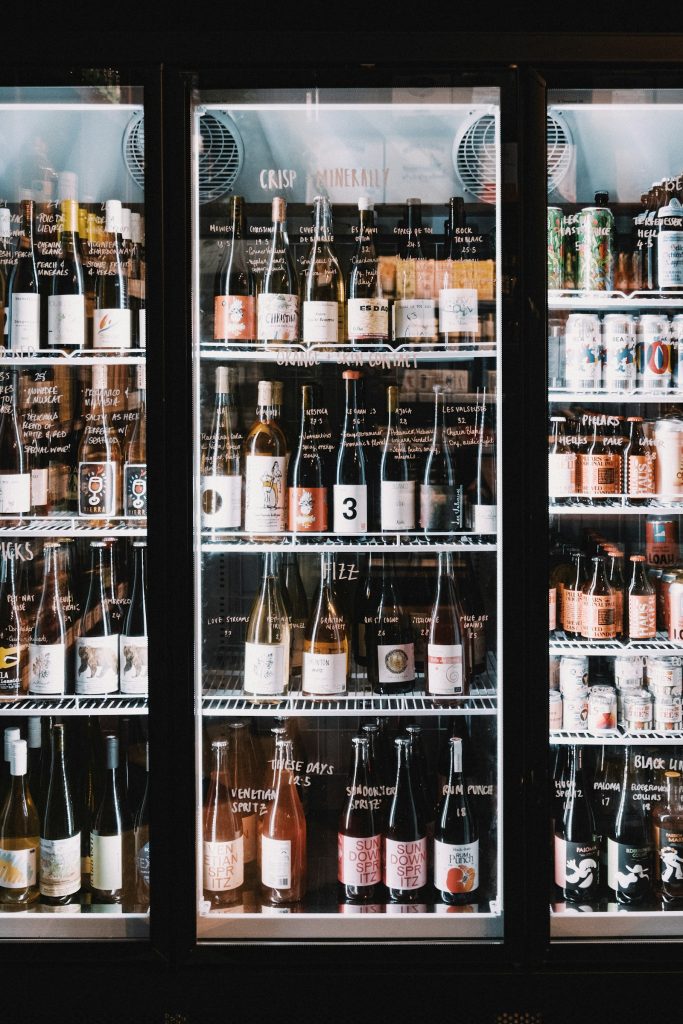
Before getting into causes, it is worth being direct about something: a ge wine cooler not cooling properly cannot be diagnosed through a display code, because GE has never published a numeric error-code system for wine coolers. Unlike freezers, which give you an E7, E8, or E9 to work from, a wine cooler tells you nothing except that the temperature reading is wrong. That means real symptom-based troubleshooting rather than looking up a code, and we think that honesty is worth more than pretending otherwise.
Check the Basics First
Confirm the unit is actually receiving power and that the door has closed fully and latched. A door that looks closed but is not sealing against the gasket lets warm air in continuously and is one of the most common, most overlooked causes of a wine cooler that never quite reaches its set temperature.
Door Seal and Gasket Condition
Run a hand along the full perimeter of the door gasket feeling for gaps, cracking, or areas that have lost their grip. Wine coolers, especially glass-door models, rely heavily on this seal since their compressors are typically smaller and less powerful than a full refrigerator’s.
Condenser and Fan Airflow
Dust buildup on the condenser coil or a fan obstructed by debris reduces the unit’s ability to move heat out of the cabinet. Built-in wine coolers installed under a counter are particularly prone to airflow problems if the surrounding cabinetry does not provide the ventilation clearance the unit needs — check your installation manual’s specified clearance if the unit is built in.
Ambient Temperature and Placement
Wine coolers are generally designed to operate within a specific ambient room temperature range. A unit placed in a garage, near a heat source, or in direct sunlight may struggle to reach its target temperature even with everything mechanically sound.
Compressor Issues
If the compressor never seems to cycle on, or runs constantly without the cabinet ever reaching temperature, the compressor or its relay may be failing. This is the most involved of the likely causes and typically requires a technician to confirm rather than guess.
Dual-Zone Considerations
On dual-zone units, one zone failing to cool while the other works fine points toward a zone-specific fan, damper, or sensor rather than the shared compressor — worth noting during diagnosis so you describe the symptom accurately when booking service.
Tracking the Pattern of the Problem
Before calling for service, it helps to note whether the unit fails to cool at all, cools but never reaches the set temperature, or cools inconsistently at different times of day. A unit that never engages its compressor at all points toward a different failure than one that cools adequately overnight but struggles during a warm afternoon, and describing that pattern accurately when you book service can meaningfully shorten the diagnostic process. If the unit makes any unusual noise alongside the cooling problem, note when it happens relative to the compressor cycling on and off, since that timing detail is genuinely useful diagnostic information. Even something as simple as noting whether the noise happens right when the compressor kicks on, partway through a cycle, or only after the unit has been running for a while can meaningfully narrow down the likely cause before a technician even opens the cabinet, which is often the fastest path to resolving a ge wine cooler not cooling complaint.
When to Call a Technician
If door seal, airflow, and placement checks do not resolve a ge wine cooler not cooling, an experienced technician can test the compressor and internal sensors directly. Book at /services/wine-cooler-repair/.
Summary
Since no numeric code exists for wine cooler problems, a ge wine cooler not cooling has to be traced through door seal, airflow, placement, and compressor checks in sequence. For general wine cooler guidance see /guides/ or /appliances/wine-coolers/. Schedule service at /schedule/, and see geappliances.com for product reference.