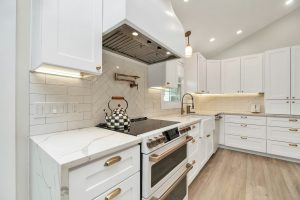
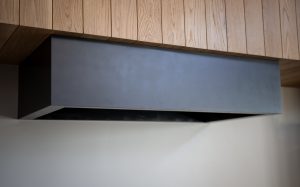
GE range hoods: series and lineup
GE range hoods cover under-cabinet, wall-mounted, and insert-style formats, with under-cabinet models such as the JVW5301 series representing GE’s core lineup and GE Profile adding higher-capacity blowers and quieter operation on premium versions. A meaningful share of GE kitchens also handle range-hood function through an over-the-range microwave’s built-in fan rather than a dedicated hood, and those two systems — the microwave’s cooking function and its ventilation function — are diagnosed separately even though they live in one cabinet. GE confirms no standard numeric error-code system exists for range hoods, so a service call starts from the model tag and the symptom rather than a code. You can browse the units we service in our model directory.
Technologies and features
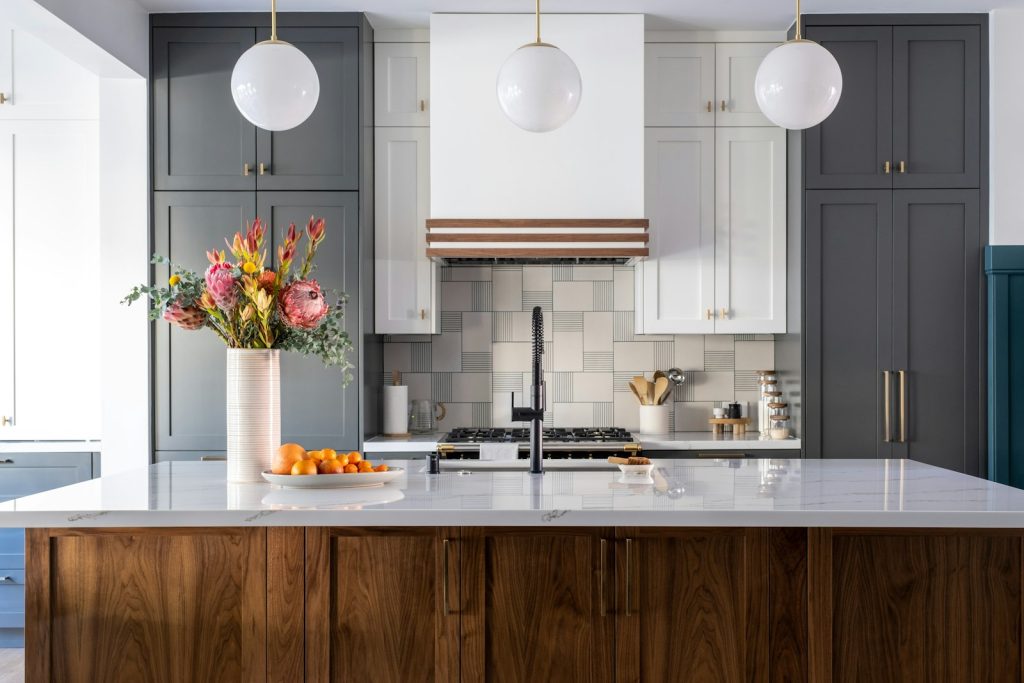
GE range hoods offer multi-speed blower control, a dedicated cooktop light (LED on current models), and a washable or replaceable grease-filter design, with higher-tier GE Profile hoods adding a more powerful blower and lower operating noise. The mechanical layout is straightforward by design, so the parts that wear are the blower motor and its capacitor, the fan blade or squirrel-cage wheel, the grease filter, the light socket and LED module or bulb, and the ductwork transition and damper — all standard GE service parts once the model tag confirms the exact unit.
Common issues and maintenance
Because GE has not published an error-code system for range hoods, every ge range hoods call is symptom-based. A fan not working at all is most often a tripped breaker, a failed blower motor, or a blown capacitor. A fan running weak or not venting properly usually points to a grease-clogged filter, a blocked or kinked exterior vent duct, or a damper flap that is not opening fully. A noisy or rattling fan commonly means a loose fan blade, a worn motor bearing, or debris caught in the blower housing. A light that won’t turn on is frequently a burned-out bulb or LED module, or a loose socket connection. Because a clogged grease filter is by far the most common cause of a weak-venting complaint, regular filter cleaning and an annual check of the exterior vent cap prevent most calls before they start. A hood that trips a breaker repeatedly on startup usually means the blower motor has shorted internally, and continuing to reset the breaker without inspecting the motor risks further electrical damage. Homeowners can safely check the breaker, wash or replace the grease filter, and confirm the exterior vent cap flap opens freely before booking a technician for anything electrical. It is also worth distinguishing a genuine ge range hoods complaint from a microwave-hood combination unit, since a fan problem on a combination appliance does not necessarily mean the cooking side has failed, and the two functions are diagnosed independently even though they share one cabinet. For deeper troubleshooting, see our repair guides and browse GE range hood models we service.
When to call for repair
A failed blower motor or capacitor, a damaged fan blade, a blocked exterior vent run, or wiring failures behind the light and switch panel are best handled by experienced technicians who can separate a simple filter or duct blockage from a genuine component failure. As an independent, third-party repair service, we are not affiliated with, authorized by, or endorsed by GE Appliances (a Haier company) or General Electric Company, and our technicians back every visit with a 30-day labor warranty on the workmanship. Note the exact symptom and your model number when you book. Schedule GE range hood repair or book an appointment online, and you can review current GE listings at geappliances.com.