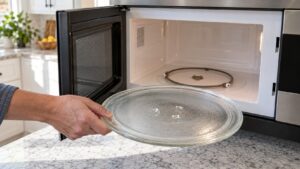
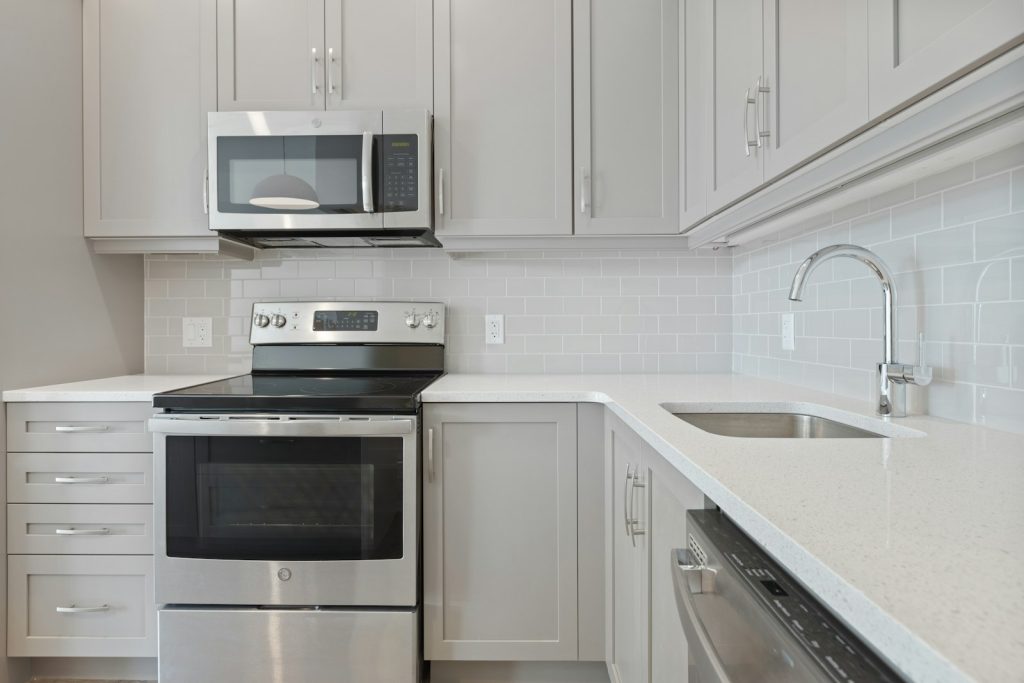
A ge microwave not heating – where the turntable spins, the display counts down normally, and the light comes on, but food comes out cold – is a common complaint, and it is worth understanding upfront that several of the likely causes involve components that store dangerous voltage even when the microwave is unplugged.
Door interlock switches
Every microwave has a set of interlock switches on the door that must all confirm the door is fully closed before the control board will allow the magnetron to fire. A single worn or misaligned interlock switch can let the display and turntable run normally while quietly preventing the heating circuit from ever activating, since the microwave is designed to fail safe rather than risk energizing with the door open.
The magnetron
The magnetron is the component that actually generates the microwave energy used to heat food, and it can fail outright after years of use, particularly in units that have seen heavy daily use. A failed magnetron produces exactly the tumbles-but-does-not-heat symptom, since none of the surrounding systems – turntable motor, display, door switches – depend on it directly.
High-voltage diode and capacitor
The magnetron is powered through a high-voltage circuit that includes a diode and a capacitor, and either one failing can prevent the magnetron from receiving the power it needs to generate heat, even though the rest of the microwave appears to run normally. This is important context, not a DIY diagnostic step: the high-voltage capacitor can hold a dangerous charge even with the microwave unplugged and powered off, and this specific problem should always be diagnosed and discharged by a trained technician rather than opened up at home.
Thermal sensor failures
A failed thermal sensor, covered in our guide on GE microwave F1 and F2 codes, can also prevent heating in some models as a safety response, if the control board cannot get a valid temperature reading from the cavity.
What you can safely check first
- Confirm the door is closing and latching fully, without any visible gap or looseness at the latch
- Check that nothing is obstructing the door from closing completely, including debris on the door seal
- Note whether any error code is showing on the display alongside the no-heat symptom
- Confirm the microwave is receiving power normally by checking that the light, turntable, and display all work as expected
When to call a technician
Beyond checking the door and looking for an error code, this is genuinely not an appliance to open up and test yourself, given the high-voltage capacitor risk. Our microwave repair technicians are trained to safely discharge the capacitor before testing the magnetron, diode, and interlock switches, and can identify the actual failed component rather than guessing.
Why professional diagnosis matters here specifically
Unlike most other kitchen appliance repairs, a microwave heating problem carries a real electrical safety risk if opened up without the right training and discharge procedure, which is the main reason we recommend against any at-home disassembly beyond checking the door and power cord.
Quick summary
A ge microwave not heating problem most often points to a door interlock switch, a failed magnetron, or a high-voltage diode or capacitor, and while the door switch is worth a visual check yourself, anything involving the high-voltage circuit belongs with a trained technician.
Why replacement sometimes makes more sense
On an older over-the-range unit, a ge microwave not heating diagnosis that points to a failed magnetron can sometimes cost close to what a comparable new microwave costs once labor and the part itself are both factored in, and a straightforward technician diagnosing a ge microwave not heating issue will tell you honestly when replacement is the more sensible path rather than pushing a repair on an aging unit.
Our experienced, independent technicians safely diagnose and repair GE microwave heating problems using OEM or high-quality replacement parts. Schedule service at /schedule/. For general product information, visit geappliances.com.