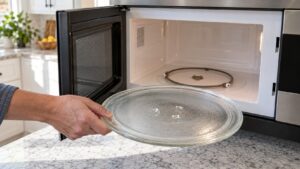
GE microwaves: series and lineup
GE microwaves cover over-the-range, countertop, and built-in formats, with the over-the-range JVM3160RFSS representing GE’s core mainstream platform under the JVM prefix. GE Profile and Café tiers of the same over-the-range format add features like sensor-cooking presets and higher-wattage magnetrons on top of the same core control architecture, which keeps the error-code table below consistent across the lineup once the control-panel generation is confirmed. Reading the model and serial tag before a ge microwaves call still matters for parts fit and for confirming the unit’s true age from GE’s two-letter serial date code. You can browse the units we service in our model directory.
Technologies and features
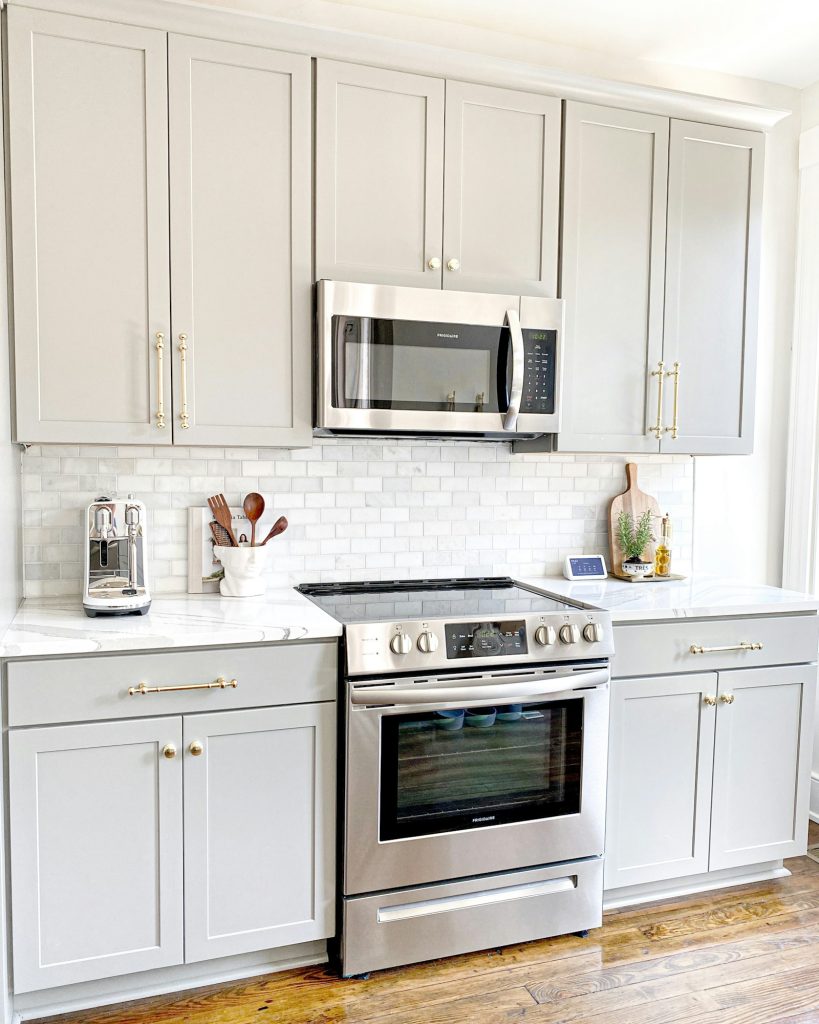
GE microwaves use a magnetron and high-voltage diode and capacitor to generate cooking power, a thermal sensor to monitor internal temperature, a humidity sensor on models with automatic sensor-cooking presets, and, on some models, a meat-probe receptacle for temperature-monitored cooking. Over-the-range models also carry a dual-purpose role as the kitchen’s ventilation fan, with its own blower motor and grease filter separate from the cooking electronics. The parts that wear are the door interlock switches, the magnetron and its high-voltage diode and capacitor, the thermal and humidity sensors, the touchpad or touch screen, and — on over-the-range units — the ventilation blower motor and grease filter.
Common issues and maintenance
GE publishes a genuine F-series error-code table for its microwaves: F1 means the thermal sensor circuit is open; F2 means the thermal sensor has shorted; F3 means the touchpad has shorted; F4 means the humidity sensor circuit is open; F5 means the humidity sensor has shorted; F6 means the temperature probe has shorted; and F10 means the touch screen (on models with one) has shorted. A Probe message simply means the meat probe is open or unplugged, and 888, 8888, or a PF display after a power interruption is a clock reset, not a problem. A microwave that won’t heat with no code showing most often traces to a failed magnetron, a bad high-voltage diode or capacitor, or a faulty door interlock switch — door interlocks in particular should only ever be serviced by someone comfortable working around a microwave’s high-voltage capacitor, since it can hold a dangerous charge even when unplugged. On over-the-range units, a weak-venting or noisy-fan complaint is a ventilation-side issue — usually a clogged grease filter or blocked duct — entirely separate from the cooking electronics. Keeping the grease filter clean and never running the microwave empty prevent a share of avoidable failures, and a microwave that runs but produces little or no heat with the turntable still spinning is one of the clearest signs a magnetron or high-voltage component — not the control board — is the actual point of failure. For code meanings, see our GE microwave error codes, and browse repair guides for deeper troubleshooting on ge microwaves models.
When to call for repair
A failed magnetron, high-voltage diode or capacitor, door interlock switch, or thermal or humidity sensor failure are best handled by experienced technicians who understand the high-voltage risk inside a microwave and read the F-code before opening the cabinet. As an independent, third-party repair service, we are not affiliated with, authorized by, or endorsed by GE Appliances (a Haier company) or General Electric Company, and our technicians back every visit with a 30-day labor warranty on the workmanship. Note the exact code and your full model and serial number when you book, and mention whether the unit is over-the-range so a technician can bring parts for the ventilation side as well if it turns out to be needed. Schedule GE microwave repair or book an appointment online, and you can review current GE listings at geappliances.com.