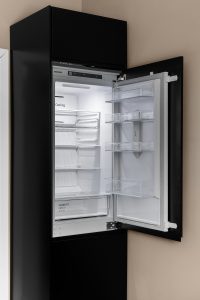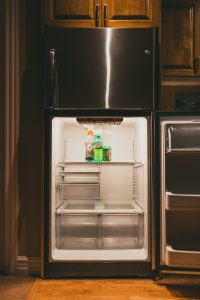

Nearly every refrigerator makes some noise, and a ge refrigerator making noise is not automatically a problem – the trick is learning which sounds are just the unit doing its job and which ones mean something is starting to fail. Because refrigerators run continuously, owners often become so used to the ambient hum that any change stands out immediately, which is actually useful for catching real issues early.
Normal sounds you should expect
- A steady hum or low buzz from the compressor running – this is the most constant sound a fridge makes and is completely expected
- Water running or trickling briefly after the compressor shuts off, from refrigerant settling in the lines
- Occasional clicking when the compressor or defrost timer switches on or off
- A soft whirring from the evaporator or condenser fan circulating air
- Popping or cracking sounds, especially in a newer unit, from materials expanding and contracting slightly with temperature changes
Sounds that suggest a developing problem
- A loud buzzing or rattling that was not there before, which can point to a loose panel, a failing fan blade, or a component vibrating against the cabinet
- Grinding or a high-pitched squeal, often a sign the evaporator or condenser fan motor bearing is wearing out
- Repeated loud clicking without the compressor actually starting, which can mean the compressor is trying and failing to start
- A sudden increase in overall loudness that stays constant rather than cycling on and off with the compressor
Where to check first
- Open the freezer and listen near the back wall – a grinding or squealing sound localized there often points to the evaporator fan
- Check behind or underneath the unit near the compressor and condenser fan for a new rattle or hum
- Make sure nothing has shifted inside and is vibrating against a shelf or the cabinet wall, which can sound worse than it actually is
- Confirm the unit is level, since an unlevel fridge can develop new vibration noises against the floor or nearby cabinetry
When noise comes with other symptoms
If unusual noise shows up alongside actual cooling problems, treat it as a bigger priority – see our guide on GE refrigerator not cooling if the noise is paired with a warm compartment or a coded alert like FF.
Recording the sound before you call
If you are unsure whether a ge refrigerator making noise situation warrants a service call, a short phone video with audio is genuinely useful – technicians can often narrow down likely causes just from hearing the sound before arriving. Note when it happens too: a ge refrigerator making noise only right when the compressor kicks on is a different clue than one that hums constantly regardless of the cycle, and that timing detail alone can save diagnostic time during the visit. A ge refrigerator making noise complaint paired with a video and a rough timestamp is often diagnosed faster than one described from memory alone.
When to call a technician
A sound that is new, getting louder over days or weeks, or clearly localized to one component rather than the general ambient hum is worth having checked before it leads to a bigger failure. Our refrigerator repair technicians can isolate exactly which component is behind a specific noise, whether it is a fan motor, the compressor mounts, or something loose in the cabinet.
Reducing noise through maintenance
Keeping the unit level and free of debris around the fans, along with the basics in our refrigerator maintenance checklist, prevents a fair number of noise complaints before they start.
Getting help
If a ge refrigerator making noise has you unsure whether it is normal, our experienced, independent technicians can listen in person and tell you definitively. Schedule a visit at /schedule/, or see GE’s own product support at geappliances.com.