GE ovens: series and lineup
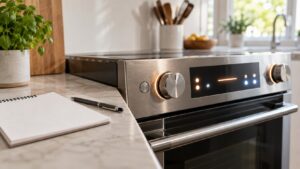
GE wall ovens are built and controlled by GE’s own electronic architecture across the GE, GE Profile, and Café tiers, and that same control platform is shared with the oven cavity built into a GE range, which is why the error-code table below applies to both a standalone wall oven and a range’s oven side. Single and double wall-oven configurations use the same control-board and touchpad logic, differing mainly in cavity count and premium features like GE Profile’s faster-preheat convection or Café’s customizable finish options. Confirming the model and serial tag — GE’s two-letter date code decoding month and year — before a ge ovens call helps confirm the unit’s real age when the control-board generation matters for parts. You can browse the units we service in our model directory.
Technologies and features
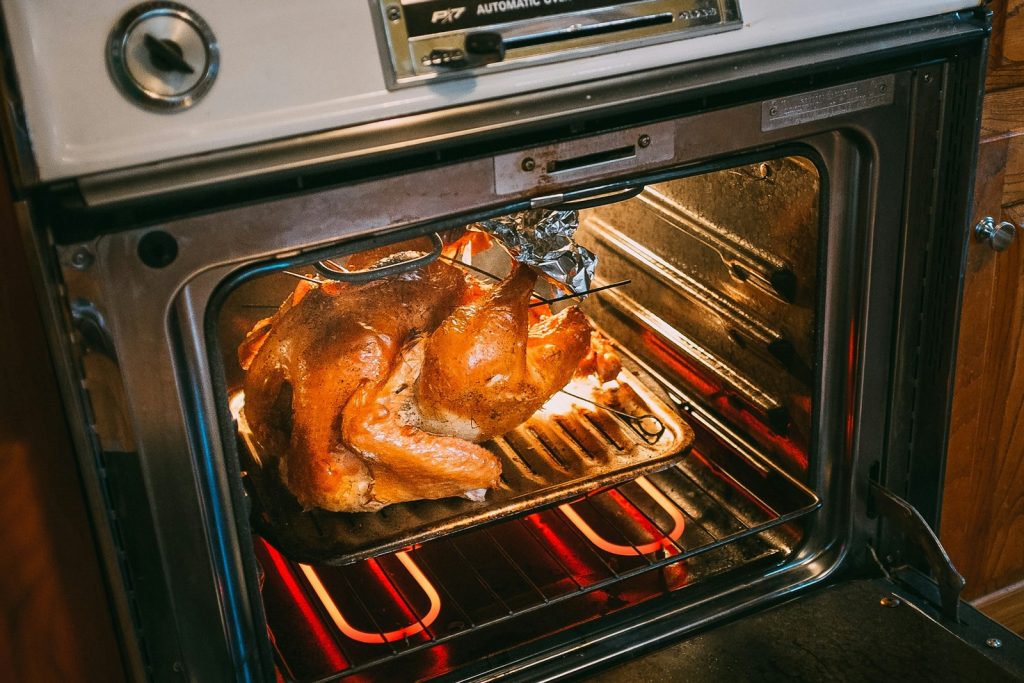
GE ovens use a temperature-sensing probe (RTD sensor) to hold the cavity at a set temperature, a door-lock solenoid or motor for the self-clean cycle, and, on GE Profile and Café models, true European or precision convection with a dedicated fan and rear element. Because GE engineers and documents this control system in-house, the F-series error codes map directly to a specific circuit — the touchpad, the temperature sensor, the door lock, or the cooling fan — rather than a generic catch-all. The parts that wear are the temperature sensor, the bake and broil elements (electric) or igniter and flame sensor (gas), the door-lock assembly, the touchpad and control board, and the cooling fan that protects the electronics during high-heat cycles.
Common issues and maintenance
GE publishes a genuine F-series error-code table for its ovens: F0, F1, F6, and F7 indicate a keypad or touchpad problem; F2 and F20 mean the oven has over-temperatured; F3 and F4 point to a temperature-sensor failure; F350 specifically flags the upper cooling-fan circuit or an obstruction around it; F5, F8, and FF indicate an electronic control failure; F9 and FC mean a door-lock circuit failure; F96, F97, and the F7X family point to an internal component problem; and FD flags a meat-probe or probe-receptacle problem. Several display messages are not problems at all — Bad Line, Unlock Door or LOC, ERR, OFF, and the Sabbath-mode symbol are normal function indicators, not errors to diagnose. An oven that won’t heat at all with no code showing often traces to a failed bake or broil element (electric) or igniter and flame sensor (gas), independent of the electronic problem table. Running the self-clean cycle only when the door gasket and lock are in good condition, and not blocking the oven vent, prevent a share of these problems from developing. Double-oven GE and GE Profile units share the same control logic between cavities, so a code on one side does not necessarily mean the other cavity is affected, and a technician can usually confirm which board or sensor is responsible before opening either door. For code meanings, see our GE oven error codes, and browse repair guides for deeper troubleshooting on ge ovens models.
When to call for repair
A temperature-sensor failure, a failed touchpad or control board, a door-lock circuit failure, or a heating-element or igniter failure are best handled by experienced technicians who read the F-code first and confirm it against GE’s own service documentation before ordering a part. As an independent, third-party repair service, we are not affiliated with, authorized by, or endorsed by GE Appliances (a Haier company) or General Electric Company, and our technicians back every visit with a 30-day labor warranty on the workmanship. Note the exact code and your full model and serial number when you book. Schedule GE oven repair or book an appointment online, and you can review current GE listings at geappliances.com.