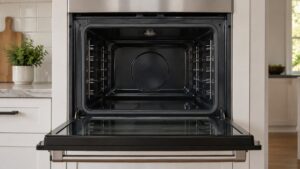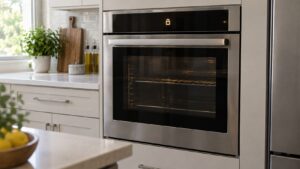
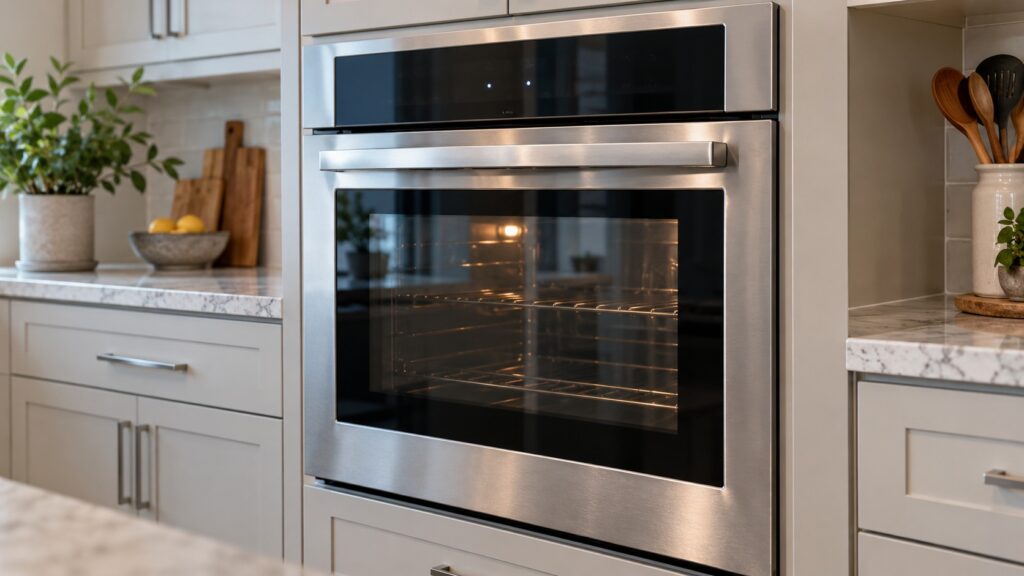
The GE JTS5000SVSS is a 30-inch smart built-in single wall oven with true convection, Never-Scrub steam self-clean racks and no-preheat air fry; the JTS5000SNSS is the same oven without the air fry mode. If you want air fry and WiFi in a 30-inch cutout, the SVSS is the one. If you do not need air fry, the SNSS is the same platform and is simpler to compare, and the 27-inch JKS5000SNSS is the answer when your cabinet cutout is narrower. This guide lays out the whole JTS5000 family so you can match a model to your kitchen.
What is the difference between the JTS5000SVSS and the JTS5000SNSS?
One cooking mode. Both are 30-inch smart ovens on the same JTS5000 platform, with true convection cooking, steam self-clean racks that GE calls Never-Scrub, WiFi connectivity and Sabbath mode. The JTS5000SVSS adds no-preheat air fry, a mode that cooks air-fry style food without first waiting for the oven to reach temperature. Everything else on our model pages is shared. That means the choice is simple: if you would use air fry, take the SVSS. If you would not, the SNSS gives you the rest of the oven.
Which size fits my cabinet: 27 or 30 inches?
Size is fixed by the cutout, so decide it before features. The JTS ovens are 30 inches wide, and the JKS ovens are 27 inches. A 30-inch oven will not fit a 27-inch cutout, and a 27-inch oven in a 30-inch cutout needs a trim kit and leaves visible gaps. If you are replacing an existing wall oven, measure the cutout width, height and depth, and compare them with the dimensions in the installation manual rather than relying on the model name alone. Our GE wall oven installation guide covers the cutout, electrical supply and mounting.
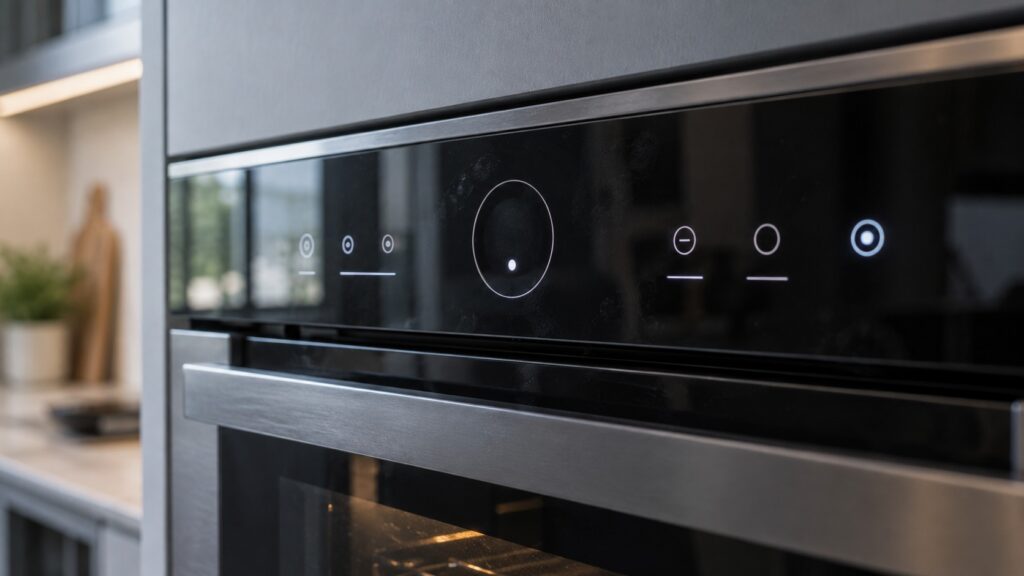
How do the 5000 and 3000 series differ?
The 5000 series adds convection. The JTS5000SNSS and JKS5000SNSS use true convection, which moves hot air with a fan for faster, more even baking. The JTS3000SNSS and JKS3000SNSS are self-clean ovens with the same smart features, a 10-pass bake element on the 30-inch model, and heavy-duty racks on the 27-inch one, but our pages do not list convection for them. If you bake on multiple racks or roast often, convection is the feature to pay for. If you mostly bake on one rack, the 3000 series is enough.
What about the older JT5000SFSS?
The JT5000SFSS is the discontinued, non-smart predecessor to the JTS series. It is a 30-inch built-in convection oven with self-clean, electronic touch controls and a 10-pass bake element. We still service it, and its error codes work the same way as the newer ovens, but it has no WiFi or air fry. If you are keeping one, the buying question does not arise; if you are comparing a used one, remember it predates the smart features.
What do GE wall oven codes look like on these models?
Knowing the code groups helps you judge an oven’s reliability and plan service. GE wall ovens report F0, F1, F6 and F7 for the keypanel, F2 or F20 for over-temperature, F3 and F4 for the oven temperature sensor, F5, F8 and FF for the electronic control, F9 and FC for the door-lock circuit, and FD for the meat probe. An over-temperature code is safety-critical: disconnect power until the oven is repaired. The convection models add an F350 fan-circuit fault if the fan is obstructed, covered in our GE oven F350 guide, and the full list sits in the GE oven F codes guide.
What should I check before ordering a wall oven?
Three checks prevent most delivery-day surprises. First, the cutout: measure the width, height and depth of the opening, and read the installation manual for the oven you want, since the model name does not tell you the cabinet dimensions. Second, the power: a built-in electric wall oven runs on its own 240-volt circuit through a junction box, and the wiring behind the cabinet must be rated for the oven. Third, the cabinet: it must be sturdy, level and rated to carry the weight of the oven, and the ventilation gap above or behind the oven must follow the manual. If you are replacing a double oven with a single, or the reverse, expect carpentry.
It also helps to think about how you cook. Self-clean on these ovens runs at very high temperature, so the kitchen should have ventilation, and smaller kitchens often notice the heat. Our GE oven self-clean guide explains the cycle. If the oven you are replacing struggled to hold temperature or locked its door, it is worth reading why a GE oven door will not unlock before assuming the whole oven failed.
Which should I buy?
Decide in this order. First, the cutout width: 30 inches points to the JTS models, 27 inches to the JKS models. Second, whether you want convection, which separates the 5000 series from the 3000 series. Third, whether you want no-preheat air fry, which only the JTS5000SVSS offers. Fourth, how much you value the smart features, which every current model in this guide includes. If your oven is already installed and it is failing, testing the oven temperature sensor may save you from buying anything. For service on any of these, GE oven repair covers all of them, and you can schedule a visit when you need.